Land Clearing vs. Forestry Mulching: Which Is Right for Your Property?
If you’re looking to reclaim overgrown land or prepare your property for a future project, you’ve likely come across two common solutions: land clearing and forestry mulching.
While both methods are designed to improve the usability of your property, they serve different purposes and produce different results. Choosing the right approach depends on your goals, the condition of your land, and what you plan to do next.
In this guide, we’ll explain the differences between land clearing and forestry mulching, the advantages of each, and how to determine which option is best for your property.
What Is Land Clearing?
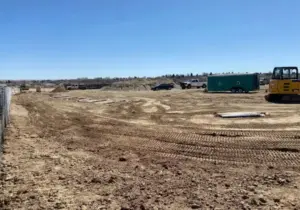
Land clearing is the process of removing trees, brush, stumps, rocks, and other obstacles to create usable land.
Depending on the project, land clearing may include:
- Tree clearing
- Brush removal
- Stump removal
- Lot clearing
- Property clearing
- Rock removal
- Grading preparation
- Site cleanup
Land clearing is often the first step before major construction, agricultural development, or large-scale property improvements.
What Is Forestry Mulching?
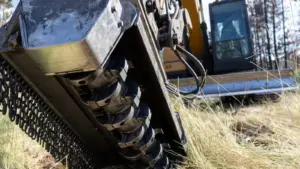
Forestry mulching is a specialized method of clearing vegetation using a machine equipped with a forestry mulcher.
Instead of pushing vegetation into piles or hauling debris away, the equipment grinds brush, saplings, and small trees into mulch that is spread across the ground.
Forestry mulching is commonly used for:
- Brush clearing
- Removing small trees
- Vegetation management
- Fire mitigation
- Trail clearing
- Fence line maintenance
- Reclaiming overgrown property
- Pasture restoration
The Biggest Difference
Although both methods remove unwanted vegetation, the biggest difference is how the material is handled.
Traditional Land Clearing
Material is often:
- Cut down
- Piled
- Hauled away, Burned (where permitted), or Processed separately
This approach is typically used when the land needs to be completely cleared for construction or other major development.
Forestry Mulching
Vegetation is:
- Cut
- Ground into mulch
- Left evenly distributed across the property
This minimizes cleanup while helping protect the soil.
When Land Clearing Is the Better Choice
Land clearing is often recommended when your project requires a clean, open site with little to no remaining vegetation.
It may be the best option if you’re planning:
- New home construction
- Commercial development
- Large building pads
- Extensive excavation
- Major grading projects
- Agricultural expansion
- Complete property redevelopment
In these situations, removing trees, stumps, and debris creates a blank slate for the next phase of work.
When Forestry Mulching Makes More Sense
Forestry mulching is often the preferred option when the goal is to improve the property while minimizing ground disturbance.
It’s an excellent choice for:
- Overgrown property
- Brush removal
- Clearing acreage
- Wildlife habitat
- improvement
- Fire prevention
- Trail maintenance
- Easement maintenance
- Pasture restoration
Because the mulch remains on-site, there’s less cleanup and reduced soil disturbance compared to many traditional clearing methods.
Which Method Costs Less?
The cost of land clearing depends on several factors, including:
- Property size
- Vegetation density
- Number of trees
- Terrain
- Equipment required
- Desired finished result
Forestry mulching can sometimes reduce cleanup costs because the material is processed on-site, while traditional land clearing may involve additional debris removal or disposal.
The most cost-effective solution varies from property to property, so it’s important to evaluate the project as a whole rather than comparing equipment alone.
Can Both Methods Be Used Together?
Absolutely.
Many projects benefit from combining both approaches.
For example:
- Forestry mulching can clear heavy brush and small trees across the property.
- Traditional land clearing can then remove larger trees or stumps in the planned building area.
- Excavation and grading can follow once the site is prepared.
Using multiple methods often provides the most efficient path from raw land to a build-ready property.
How to Choose the Right Solution
Ask yourself a few key questions before deciding:
- Are you building on the property?
- Do you need all trees removed or just selected vegetation?
- Is minimizing soil disturbance important?
- Are you improving hunting land or pasture?
- Do you need a building pad or excavation afterward?
- Are you focused on wildfire fuel reduction?
The answers will help determine whether land clearing, forestry mulching, or a combination of both is the best fit.
Frequently Asked Questions
Is forestry mulching the same as land clearing?
No. Forestry mulching is one method of vegetation removal, while land clearing can include tree removal, stump removal, excavation, grading, and complete site preparation.
Can forestry mulching remove large trees?
Forestry mulching is highly effective for brush, saplings, and many small trees. Larger trees or stumps may require additional equipment depending on the project.
Which option is better for building a home?
If you’re preparing a homesite, traditional land clearing is often combined with excavation and site preparation. Forestry mulching may still be used to clear surrounding vegetation before construction begins.
Which method causes less ground disturbance?
Forestry mulching generally creates less soil disturbance because vegetation is processed in place rather than pushed into piles or removed with heavy earthmoving equipment.
Improve Your Property with the Right Approach
Every property is different, and choosing the right clearing method starts with understanding your goals. Whether you’re reclaiming overgrown acreage, preparing for construction, improving pasture, or reducing wildfire fuel, selecting the right solution can save time, money, and future maintenance.
High Country Contracting provides professional land clearing and forestry mulching services throughout Wyoming and Montana. We’ll evaluate your property, discuss your plans, and recommend the most effective approach to help you get the results you’re looking for.