What Happens During Site Preparation?
Every successful construction project starts long before the foundation is poured. Whether you’re building a new home, shop, barn, or other structure, proper site preparation creates the foundation for everything that follows.
Preparing land for construction involves much more than simply clearing a few trees. A well-planned site preparation process helps improve drainage, create stable building surfaces, and ensure the property is ready for the next phase of construction.
In this guide, we’ll walk through the typical steps involved in site preparation, why each step matters, and how proper planning can help avoid costly problems down the road.
What Is Site Preparation?
Site preparation is the process of getting a property ready for construction by improving the land, removing obstacles, and creating a stable building area.
Depending on the project, site preparation may include:
- Land clearing
- Brush removal
- Tree removal
- Building pad construction
- Grading land
- Excavation
- Drainage imprvements
- Access road
- improvements
- Soil preparation
Every property is different, so the exact process depends on the terrain, soil conditions, vegetation, and the type of structure being built.
Step 1: Evaluate the Property
Before any equipment arrives, the property should be evaluated to understand its existing conditions.
During this stage, contractors typically consider:
- Existing vegetation
- Slopes and elevation changes
- Drainage patterns
- Soil conditions
- Existing access roads
- Areas that may require excavation
- Potential obstacles such as rocks, stumps, or dense brush
A thorough evaluation helps determine the most efficient approach while reducing surprises during construction.
Step 2: Clear the Building Area
Once the project plan is established, the next step is clearing land where construction will take place.
This may involve:
- Removing brush
- Clearing small trees
- Eliminating invasive vegetation
- Removing dead trees
- Opening access to the site
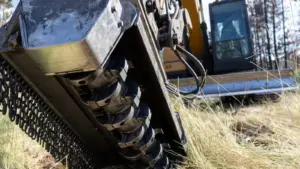
For many rural properties, forestry mulching provides an efficient way to clear vegetation while minimizing soil disturbance.
Step 3: Build Safe Access
Construction equipment needs safe, reliable access to the job site.
If the property doesn’t already have an adequate driveway or access road, improvements may include:
- Widening existing roads
- Creating temporary access routes
- Improving drainage along roads
- Removing obstacles
- Leveling uneven surfaces
Proper access not only improves efficiency but also reduces unnecessary wear on equipment and surrounding land.
Step 4: Grade the Property
One of the most important parts of site preparation is grading land.
Grading helps create a stable surface while directing water away from future structures.
Proper grading can help:
- Improve drainage
- Reduce standing water
- Minimize erosion
- Create level building areas
- Support long-term foundation stability
Skipping this step or performing it incorrectly can lead to drainage issues that are expensive to correct later.
Step 5: Excavation
Many projects require some level of excavation before construction begins.
Excavation may be necessary for:
- Foundations
- Crawl spaces
- Basements
- Utility trenches
- Drainage systems
- Building pad preparation
The amount of excavation depends on the property’s terrain and the requirements of the project.
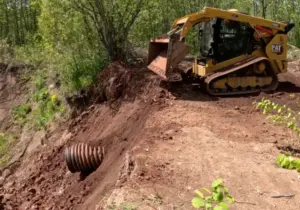
Step 6: Install or Improve Drainage
Water management is one of the most overlooked aspects of building site preparation.
Without proper drainage, even a well-built structure can experience long-term issues.
Drainage improvements may include:
- Surface grading
- Swales
- Culverts
- Ditches
- Drainage channels
- Water diversion around structures
Managing water correctly from the beginning helps protect both the building and the surrounding property.
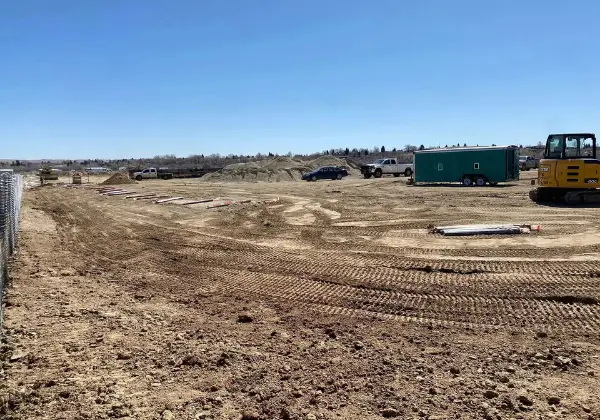
Step 7: Construct the Building Pad
The building pad is the prepared area where the structure will eventually be built.
A properly constructed building pad should provide:
- Stable soil conditions
- Proper compaction
- Correct elevation
- Adequate drainage
- Level construction surface
The quality of the building pad plays a major role in the long-term performance of the structure.
Common Challenges During Site Preparation
Every property presents unique conditions.
Some of the most common challenges include:
- Rocky terrain
- Steep slopes
- Heavy vegetation
- Poor drainage
- Soft or unstable soils
- Limited equipment access
- Existing tree stumps
- Seasonal weather conditions
Experienced contractors adjust the site preparation process to account for these variables while keeping the project moving efficiently.
Why Proper Site Preparation Matters
Investing in thorough site preparation offers benefits long after construction is complete.
Proper preparation can help:
- Reduce future drainage problems
- Improve foundation stability
- Create easier access around the property
- Minimize erosion
- Support better water management
- Improve overall project efficiency
- Reduce unexpected construction delays
Starting with a properly prepared site often saves both time and money throughout the construction process.
Frequently Asked Questions
How long does site preparation take?
The timeline depends on the size of the property, existing vegetation, terrain, weather conditions, and the scope of the project. Smaller residential projects may take only a few days, while larger rural properties can require more time.
Does every project require excavation?
Not always. Some sites need only minor grading, while others require extensive excavation for foundations, utilities, or drainage improvements.
Why is grading so important?
Proper grading helps move water away from buildings, reduces erosion, and creates a stable surface for construction. It’s one of the most important steps in preparing land for construction.
Can site preparation include land clearing?
Yes. Land clearing is often one of the first steps in site preparation, especially on rural properties with heavy vegetation, brush, or trees.
Build on a Strong Foundation
Every successful construction project begins with careful planning and proper site preparation. From clearing land and grading to excavation and drainage improvements, each step helps create a stable, functional site that’s ready for construction.
High Country Contracting provides professional site preparation services throughout Wyoming and Montana. Whether you’re building a new home, shop, barn, or improving your rural property, our team has the equipment and experience to prepare your site for long-term success.