Fire Hazards You May Not Notice on Your Property
Wildfire doesn’t always start because of a dramatic event. In many cases, it’s the combination of small, overlooked hazards that allows a fire to spread quickly across a property.
Whether you own a ranch, a wooded homesite, or several acres of rural land, taking the time to inspect your property can help reduce wildfire risk before fire season arrives.
Some hazards are obvious, like dead trees or thick brush. Others are much easier to overlook until they become a serious problem. In this guide, we’ll cover common fire hazards that property owners often miss and explain how proactive wildfire prevention can help protect your land and structures.
Why Property Inspections Matter
Wildfire prevention starts with knowing what’s on your property.
Regular inspections allow you to identify areas where vegetation has become overgrown, debris has accumulated, or natural features could contribute to faster fire spread. Addressing these issues early is often easier and more cost-effective than dealing with larger problems later.
Walking your property at least once or twice a year—especially before wildfire season—can help you spot potential hazards before they become dangerous.
1. Dense Brush Around Structures
One of the most common fire hazards is thick vegetation growing too close to homes, garages, barns, shops, or other buildings.
Brush can act as a ladder fuel, allowing flames to climb from the ground into nearby trees or structures.
Watch for:
- Thick shrubs against buildings
- Brush growing under decks
- Overgrown vegetation around sheds
- Dense grasses near fences
- Unmaintained landscaping
Clearing brush and maintaining defensible space can significantly improve property fire protection.
2. Dead Trees and Fallen Limbs
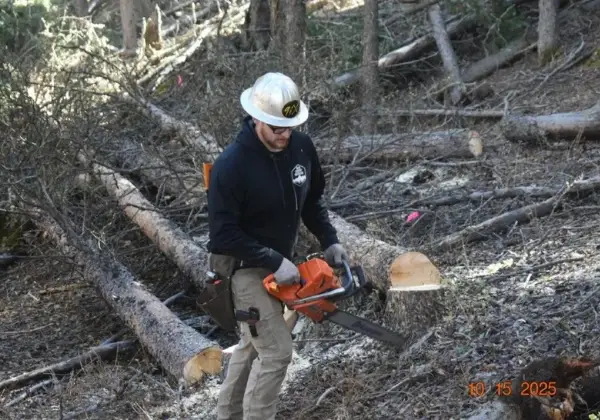
Standing dead trees and fallen branches dry out over time, creating ideal fuel for wildfires.
These materials can:
- Ignite more easily
- Produce higher heat
- Spread flames quickly
- Drop burning embers over long distances
Removing hazardous trees and cleaning up fallen debris helps reduce available fuel while improving the overall safety of your property.
3. Overgrown Fence Lines
Fence lines are often forgotten because they’re away from buildings, but they can quickly become overgrown with brush, weeds, and small trees.
When vegetation grows unchecked, fire can travel along fence lines and spread into pastures, wooded areas, or neighboring properties.
Routine brush clearing helps keep these areas manageable while improving access for maintenance and emergency response.
4. Thick Understory in Wooded Areas
Healthy forests still need maintenance.
Small trees, saplings, invasive brush, and dense undergrowth create continuous fuel between the forest floor and the tree canopy.
This type of vegetation increases the chance of a ground fire developing into a more intense wildfire.
Vegetation removal and forest fuel reduction can help create healthier, more resilient wooded areas.
5. Overgrown Access Roads and Driveways
Your driveway is more than just a way to get home—it’s also an important access point for emergency vehicles.
Vegetation growing along roads can:
- Restrict emergency access
- Increase fire intensity near travel routes
- Produce embers close to vehicles or structures
- Make evacuation more difficult
Keeping access roads clear supports both wildfire preparation and year-round property access.
6. Accumulated Yard Debris
Leaves, pine needles, dead grass, and fallen branches may not seem dangerous on their own, but together they create continuous fuel across your property.
Pay special attention to:
- Gutters
- Roof valleys
- Around decks
- Wood piles
- Landscaping beds
- Fence corners
Regular cleanup is one of the simplest ways to improve fire prevention.
7. Areas That Haven't Been Maintained in Years
Many rural properties have sections that rarely receive attention.
These forgotten areas often contain:
- Thick brush
- Dead vegetation
- Invasive plants
- Small trees
- Dense grasses
Over time, these sections become some of the highest-risk areas during wildfire season.
Professional fuel reduction or forestry mulching can restore these spaces while making future maintenance much easier.
8. Invasive Vegetation
Certain invasive plants spread quickly and create dense, continuous fuel.
Removing invasive vegetation helps:
- Improve property appearance
- Restore usable land
- Support healthier native plants
- Reduce wildfire fuel
Early vegetation management often prevents much larger clearing projects later.
Signs Your Property May Need Fire Mitigation
If you notice any of the following, it may be time to schedule a property assessment:
- Brush touching buildings
- Dead trees or hanging limbs
- Dense vegetation beneath tree canopies
- Overgrown fence lines
- Thick weeds around outbuildings
- Poor visibility along driveways
- Areas that haven’t been maintained for several years
- Heavy accumulations of leaves or woody debris
Addressing these issues before wildfire season can improve both safety and property usability.
Simple Steps to Reduce Wildfire Risk
Not every fire prevention project requires major land clearing. Small improvements made consistently can have a significant impact over time.
Consider:
- Removing dead vegetation
- Clearing brush near structures
- Trimming low tree branches
- Maintaining defensible space
- Keeping driveways accessible
- Cleaning up fallen limbs
- Managing overgrown areas annually
- Scheduling regular vegetation management
These practices work together to create a more fire-safe property.
Frequently Asked Questions
What is a property fire inspection?
A property fire inspection involves evaluating your land for vegetation, debris, and other conditions that could contribute to wildfire spread. It helps identify areas where maintenance or fuel reduction may improve safety.
What is defensible space?
Defensible space is the maintained area surrounding a structure where vegetation and other combustible materials are managed to help reduce wildfire risk and improve firefighter access.
How often should I inspect my property?
Most rural properties benefit from inspections at least once in the spring before wildfire season and again in the fall to identify new growth or accumulated debris.
Can forestry mulching help reduce fire hazards?
Yes. Forestry mulching can remove dense brush, small trees, and other vegetation that contribute to wildfire fuel while leaving behind a protective layer of mulch with minimal ground disturbance.
Protect Your Property Before Wildfire Season
Wildfire prevention starts long before smoke appears on the horizon. Identifying hidden fire hazards early gives you the opportunity to make improvements that can help protect your home, land, and investment.
High Country Contracting helps property owners throughout Wyoming and Montana reduce wildfire risk with professional vegetation management, fuel reduction, forestry mulching, and land clearing services. Whether you’re preparing for wildfire season or maintaining your property year-round, our team can help create a safer, more manageable landscape.